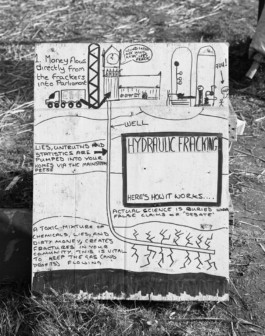
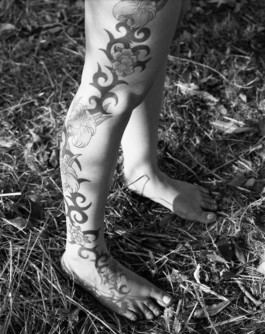
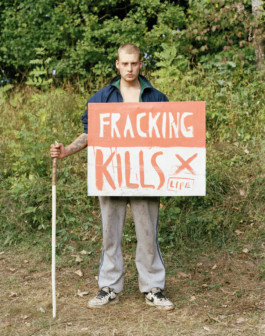
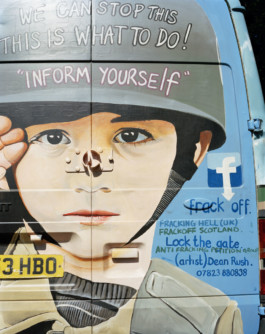
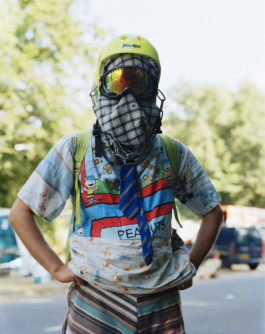
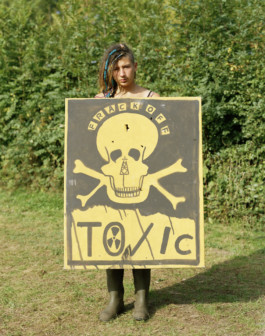
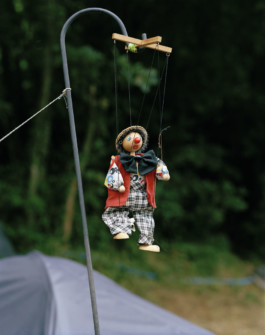
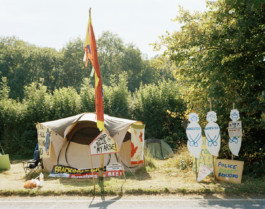

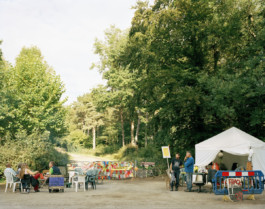
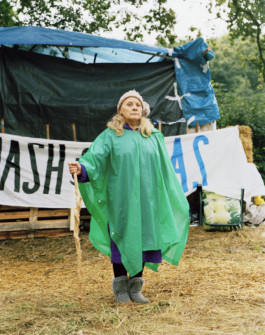
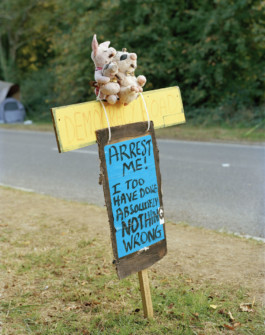
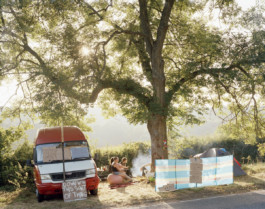
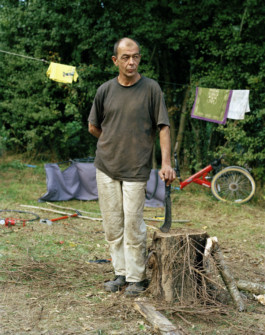
In the summer of 2013 a protest camp formed outside an exploratory oil drilling site in the village of Balcombe, West Sussex, operated by the energy company Cuadrilla. The demonstrations quickly became one of the largest anti-fracking protests in the UK. My interest in the protest was sparked when my local MP, Caroline Lucas, was arrested during a day of direct action at the site.
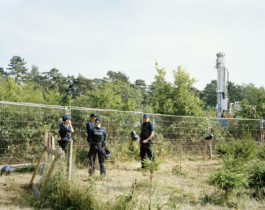
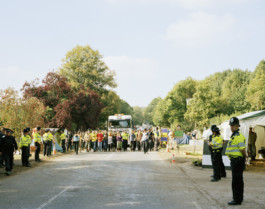
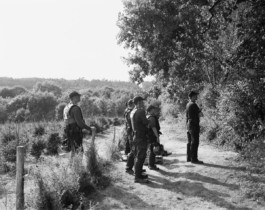
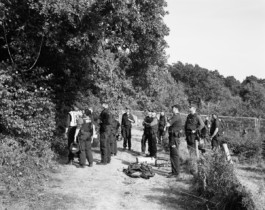
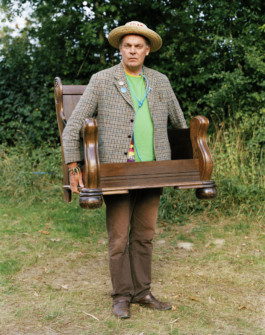
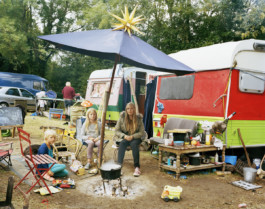
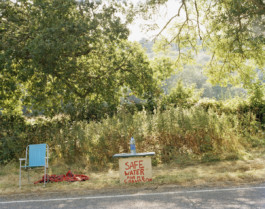
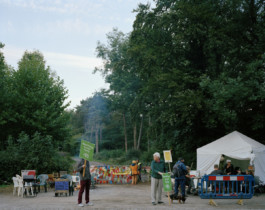
I began visiting the camp with a large-format camera, photographing the protest slowly on 5×4 film. Many of the images return to the main entrance of the drilling site — the point where trucks and drilling equipment passed through the protest.
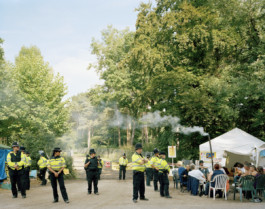
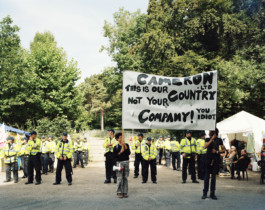
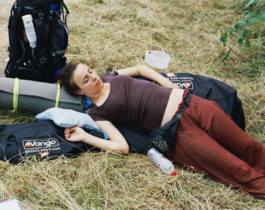
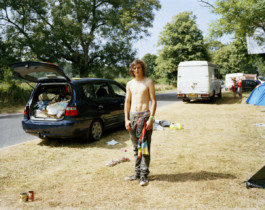
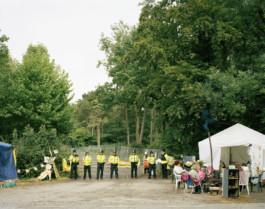
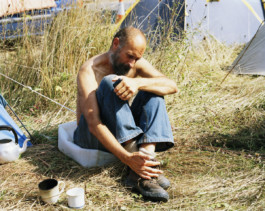
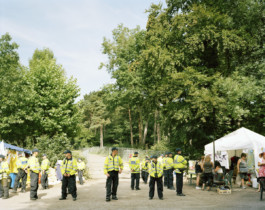
Rather than focus on moments of confrontation, the work records the quieter rhythms of life around the camp: people waiting by the roadside, conversations at the gate, and the long stretches of time between the arrival and departure of vehicles entering the site. Although the protest was accompanied by a large and permanent police presence, much of the time the atmosphere was calm, with protesters and officers often standing and talking together.
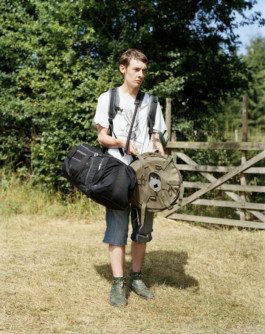
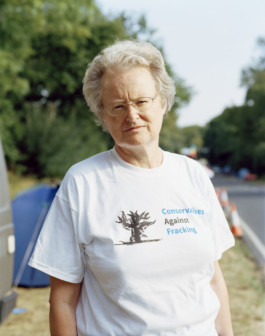
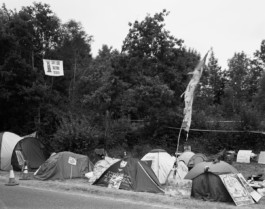
Over the course of the summer the camp grew steadily as people travelled from across the UK, and further afield, to join the demonstrations. The protest brought together an unlikely mix of local residents, environmental activists and political groups united in opposition to fracking.
Note: Although exploratory drilling took place at Balcombe, no commercial fracking was carried out. In 2019 the UK government introduced a moratorium on hydraulic fracturing.
Text
In the summer of 2013 a protest camp formed outside an exploratory oil drilling site in the village of Balcombe, West Sussex, operated by the energy company Cuadrilla. The demonstrations quickly became one of the largest anti-fracking protests in the UK. My interest in the protest was sparked when my local MP, Caroline Lucas, was arrested during a day of direct action at the site.
I began visiting the camp with a large-format camera, photographing the protest slowly on 5×4 film. Many of the images return to the main entrance of the drilling site — the point where trucks and drilling equipment passed through the protest.
Rather than focus on moments of confrontation, the work records the quieter rhythms of life around the camp: people waiting by the roadside, conversations at the gate, and the long stretches of time between the arrival and departure of vehicles entering the site. Although the protest was accompanied by a large and permanent police presence, much of the time the atmosphere was calm, with protesters and officers often standing and talking together.
Over the course of the summer the camp grew steadily as people travelled from across the UK, and further afield, to join the demonstrations. The protest brought together an unlikely mix of local residents, environmental activists and political groups united in opposition to fracking.
Note: Although exploratory drilling took place at Balcombe, no commercial fracking was carried out. In 2019 the UK government introduced a moratorium on hydraulic fracturing.
↑
Back to top