

This project developed from an artist residency at the John Innes Centre, one of Europe’s leading research institutes for plant science and microbiology.
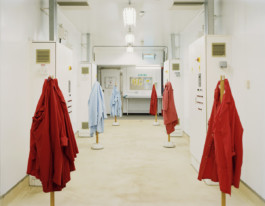
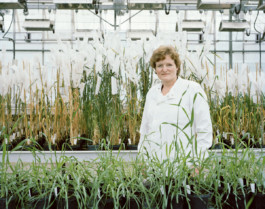
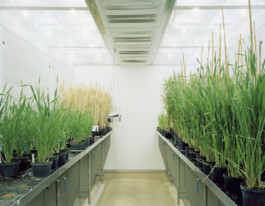
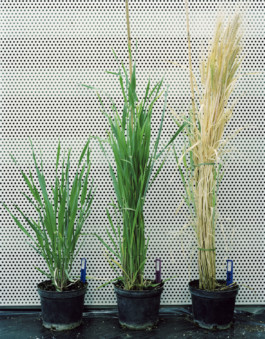
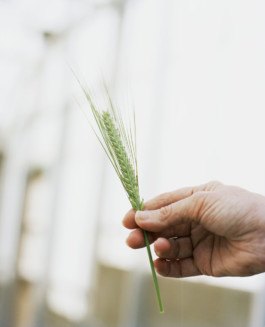
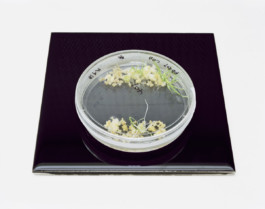
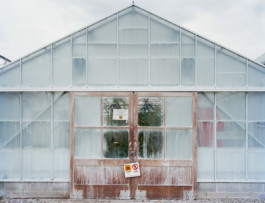
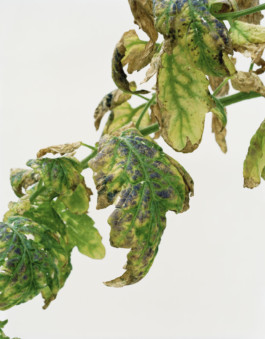
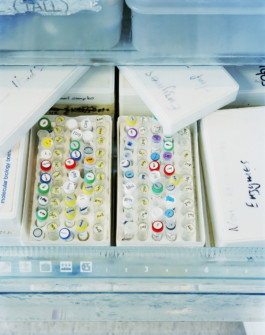
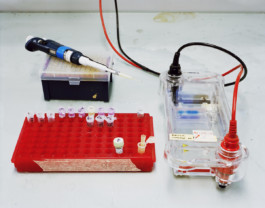
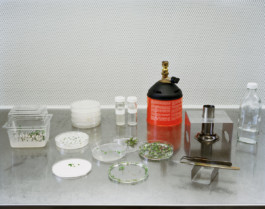
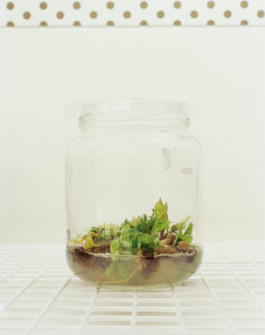
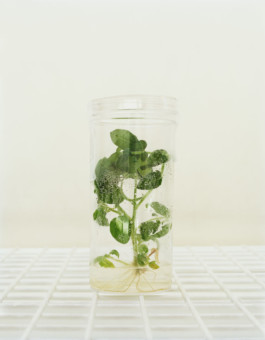
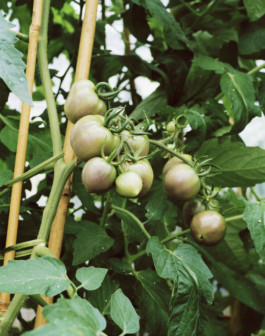
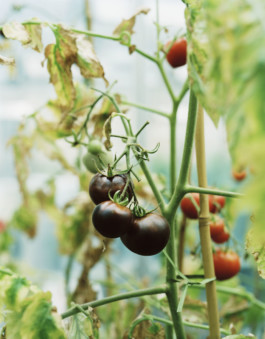
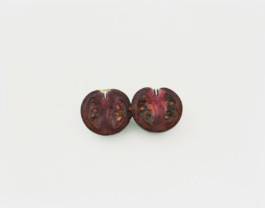
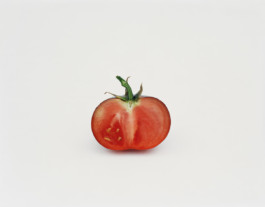
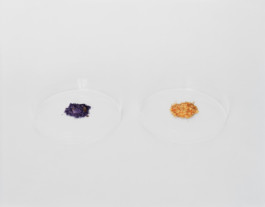
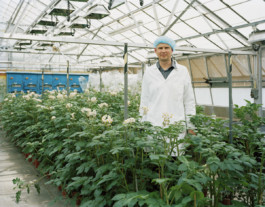
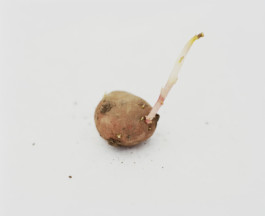
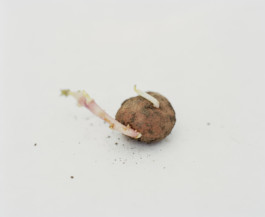
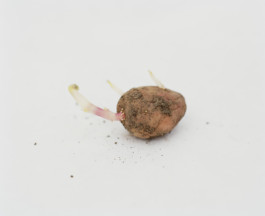
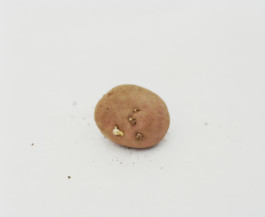
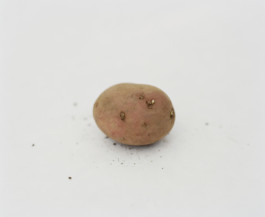
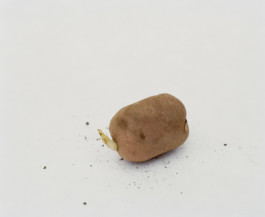
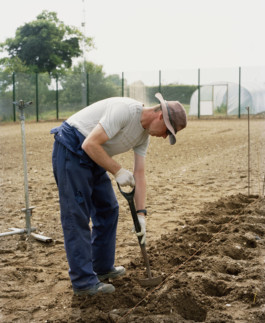
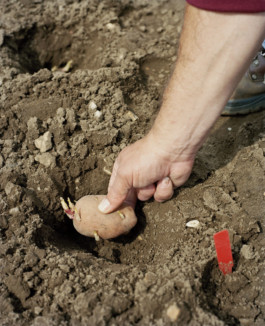
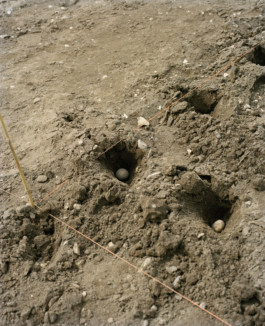
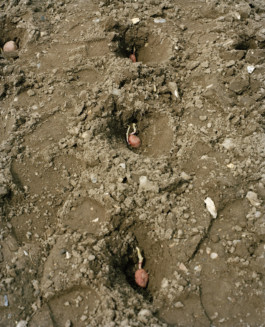
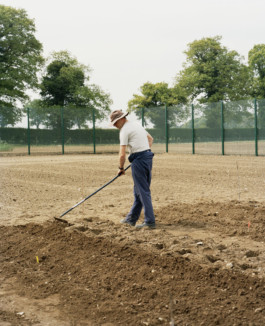
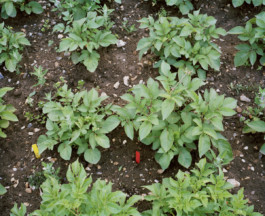
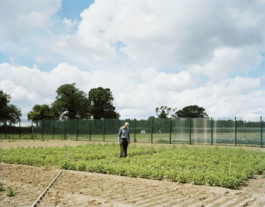
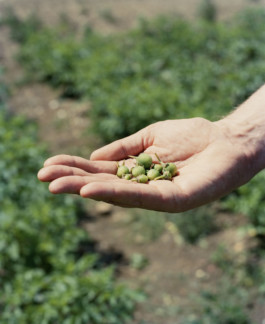
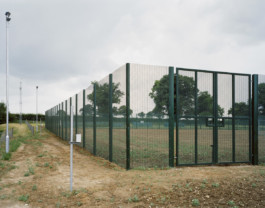
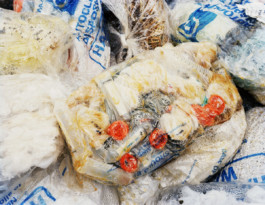
Working alongside scientists, I focused on three research projects: efforts to increase the nutritional content of tomatoes, develop blight-resistant potatoes, and engineer drought-tolerant barley. Genetic modification operates at a scale that is largely invisible, typically communicated through diagrams and scientific data. My aim was to photograph the experiments and environments in which this work takes place, translating complex processes into images grounded in everyday observation.
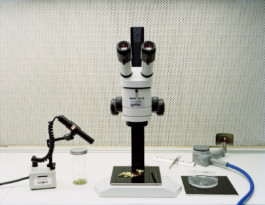
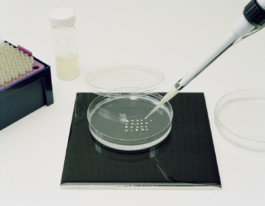
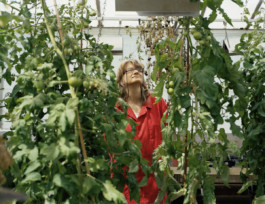
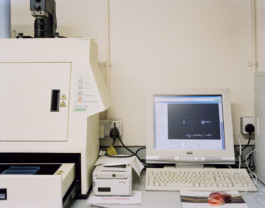
The photographs also emphasise the human dimension of laboratory research — the desks, tools and working spaces where scientific knowledge is produced — presenting genetic modification not as an abstract concept but as a process carried out by people.
The work was presented as a newspaper and pop-up exhibition titled How to Genetically Modify a Tomato and Other Things We Eat, designed with Elliot Hammer. The publication could be read as a newspaper or taken apart and installed on walls as an exhibition. Produced cheaply and in large numbers, it was distributed free at science festivals, where newspaper stands and pop-up displays appeared throughout the festival sites.
First presented at the 2012 British Science Festival in Bradford, the project subsequently toured to science festivals in Norwich, Cheltenham and London, as well as events across Europe and Mexico. More than 10,000 copies of the newspaper were printed and distributed as part of the project.
Text
This project developed from an artist residency at the John Innes Centre, one of Europe’s leading research institutes for plant science and microbiology.
Working alongside scientists, I focused on three research projects: efforts to increase the nutritional content of tomatoes, develop blight-resistant potatoes, and engineer drought-tolerant barley. Genetic modification operates at a scale that is largely invisible, typically communicated through diagrams and scientific data. My aim was to photograph the experiments and environments in which this work takes place, translating complex processes into images grounded in everyday observation.
The photographs also emphasise the human dimension of laboratory research — the desks, tools and working spaces where scientific knowledge is produced — presenting genetic modification not as an abstract concept but as a process carried out by people.
The work was presented as a newspaper and pop-up exhibition titled How to Genetically Modify a Tomato and Other Things We Eat, designed with Elliot Hammer. The publication could be read as a newspaper or taken apart and installed on walls as an exhibition. Produced cheaply and in large numbers, it was distributed free at science festivals, where newspaper stands and pop-up displays appeared throughout the festival sites.
First presented at the 2012 British Science Festival in Bradford, the project subsequently toured to science festivals in Norwich, Cheltenham and London, as well as events across Europe and Mexico. More than 10,000 copies of the newspaper were printed and distributed as part of the project.
↑
Back to top