


This editorial assignment for the Financial Times Weekend Magazine accompanied a feature by Madhumita Murgia exploring the rapid development of artificial intelligence in healthcare.
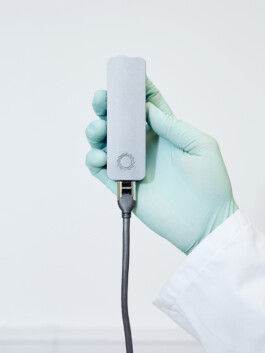
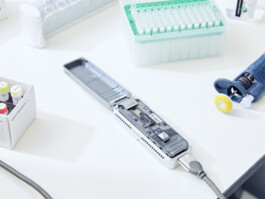
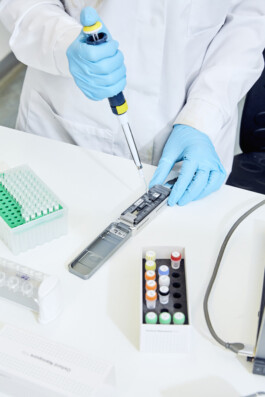
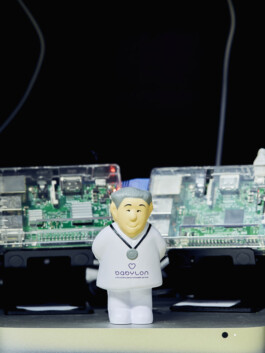
The article examined how smartphones are increasingly being transformed into portable medical clinics, capable of monitoring vital signs, analysing symptoms and even providing diagnoses through AI-powered systems. Companies such as Babylon Health are developing tools that aim to triage and diagnose patients via mobile apps, while a new generation of connected devices — from digital stethoscopes to portable DNA sequencers — promises to make medical testing faster, cheaper and more widely accessible.
The photographs were made to accompany the feature and reflect this emerging intersection of technology, medicine and everyday life, illustrating a future in which the smartphone becomes a central hub for personal healthcare.
Text
This editorial assignment for the Financial Times Weekend Magazine accompanied a feature by Madhumita Murgia exploring the rapid development of artificial intelligence in healthcare.
The article examined how smartphones are increasingly being transformed into portable medical clinics, capable of monitoring vital signs, analysing symptoms and even providing diagnoses through AI-powered systems. Companies such as Babylon Health are developing tools that aim to triage and diagnose patients via mobile apps, while a new generation of connected devices — from digital stethoscopes to portable DNA sequencers — promises to make medical testing faster, cheaper and more widely accessible.
The photographs were made to accompany the feature and reflect this emerging intersection of technology, medicine and everyday life, illustrating a future in which the smartphone becomes a central hub for personal healthcare.
↑
Back to top